The delivery of fit‑for‑purpose life science accommodation is increasingly recognised as a critical enabler of sector growth.
In Scotland, this challenge is now being addressed more directly through the publication of the Life Science Accommodation Fit Out Guide by Constructing Science, a practical piece of guidance developed to support early‑stage and scaling life science organisations as they navigate the complexities of laboratory accommodation.
EEDN is proud to have been part of the multidisciplinary team that contributed to the development of this guidance for the Scottish market. The Guide reflects a shared industry objective: to improve decision‑making around life science accommodation and reduce the risk, delay and inefficiency that too often arise when scientific ambition meets real‑world delivery constraints.
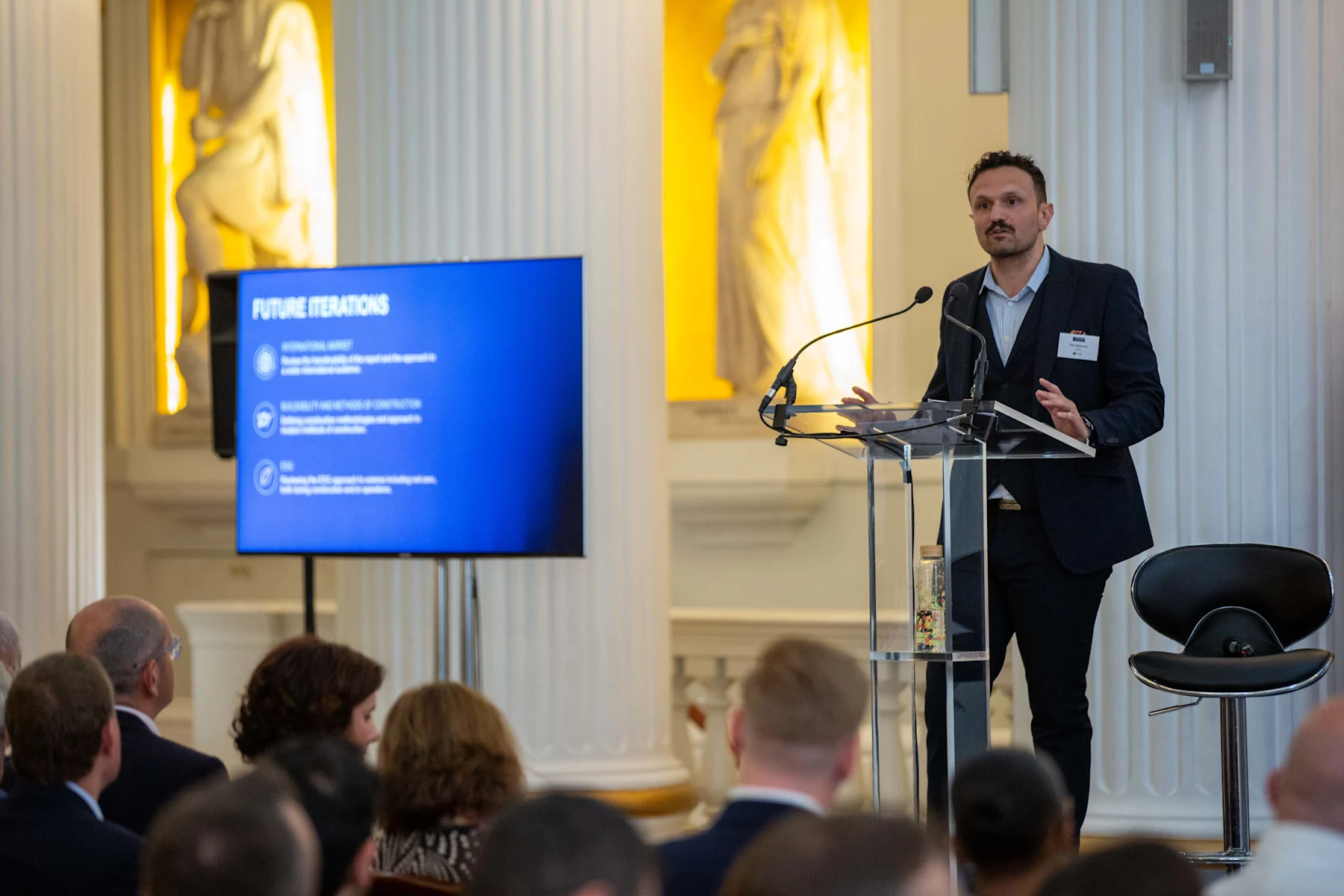
Tes Adamou, EEDN CEO said:
> “What this guidance does well is recognise that life science accommodation is not a property problem to be solved in isolation. It sits at the intersection of science, funding, regulation and delivery. Our involvement was driven by a desire to help translate that complexity into something practical, proportionate and usable for organisations operating in the Scottish ecosystem and this is exactly what our report aims to do.”
Addressing a persistent delivery challenge
The Scottish life sciences sector is ambitious, with strong research capability and a growing pipeline of innovation. However, the availability of appropriate laboratory and R&D accommodation has consistently lagged demand. The challenge is not simply one of quantity, but of suitability, flexibility and readiness.
Laboratory environments are expensive to build and operate, require specialist servicing and compliance pathways, and often need to evolve as research programmes scale or pivot. Short lease structures and funding constraints can further complicate delivery, particularly for early‑stage companies. The Fit Out Guide directly addresses these realities, setting out common pitfalls and critical considerations that are often underestimated.
Rather than focusing solely on design outputs, the guidance places emphasis on sequence, readiness and alignment, helping organisations understand when key decisions need to be made and what information must be in place to support them.
A milestone‑led approach to accommodation planning
One of the strengths of the Guide is its structured, milestone‑based framework. It positions accommodation as part of a wider journey that includes business formation, funding strategy, technical roadmap and regulatory compliance, rather than a standalone real estate decision.
This reflects EEDN’s experience across life sciences and adjacent sectors. Many of the most significant programme risks arise not during construction, but much earlier, when base‑build capability, servicing capacity, structural constraints or approval routes are not properly interrogated. By encouraging early feasibility testing and collaboration, the guidance helps reduce the likelihood of costly redesign, delay or compromised operational outcomes.
Collaboration as a prerequisite for success
The Guide reinforces a point that is well understood by experienced delivery teams: successful life science accommodation depends on early and sustained collaboration between occupiers, landlords, designers and project managers.
Scientific requirements evolve, funding profiles change, and regulatory expectations must be carefully managed. Structured project leadership is therefore essential, not only to coordinate stakeholders, but to maintain focus on operational readiness and long‑term flexibility rather than short‑term completion milestones.
EEDN’s contribution to the guidance reflects this delivery‑led perspective, grounded in practical experience of translating scientific intent into operational facilities.
From guidance to real‑world outcomes
Guidance alone does not deliver laboratories, but it can materially improve outcomes when applied with discipline and experience. For Scotland’s life sciences ecosystem, the Fit Out Guide provides a shared reference point that supports better‑informed conversations between occupiers, investors, landlords and delivery teams.
As demand for high‑quality laboratory space continues to grow, treating life science accommodation as strategic infrastructure, rather than a downstream consequence, will be essential. The publication of this guidance represents an important step in that direction, and EEDN is pleased to have played a role in helping shape it.
You can read and download the Accommodation Guide here.
EEDN expands Project and Programme Management Operations in Cyprus
EEDN achieves ISO 9001 and ISO 14001 certification, strengthening its commitment to quality and environmental stewardship
Pioneering the Future of Project Management with Artificial Intelligence